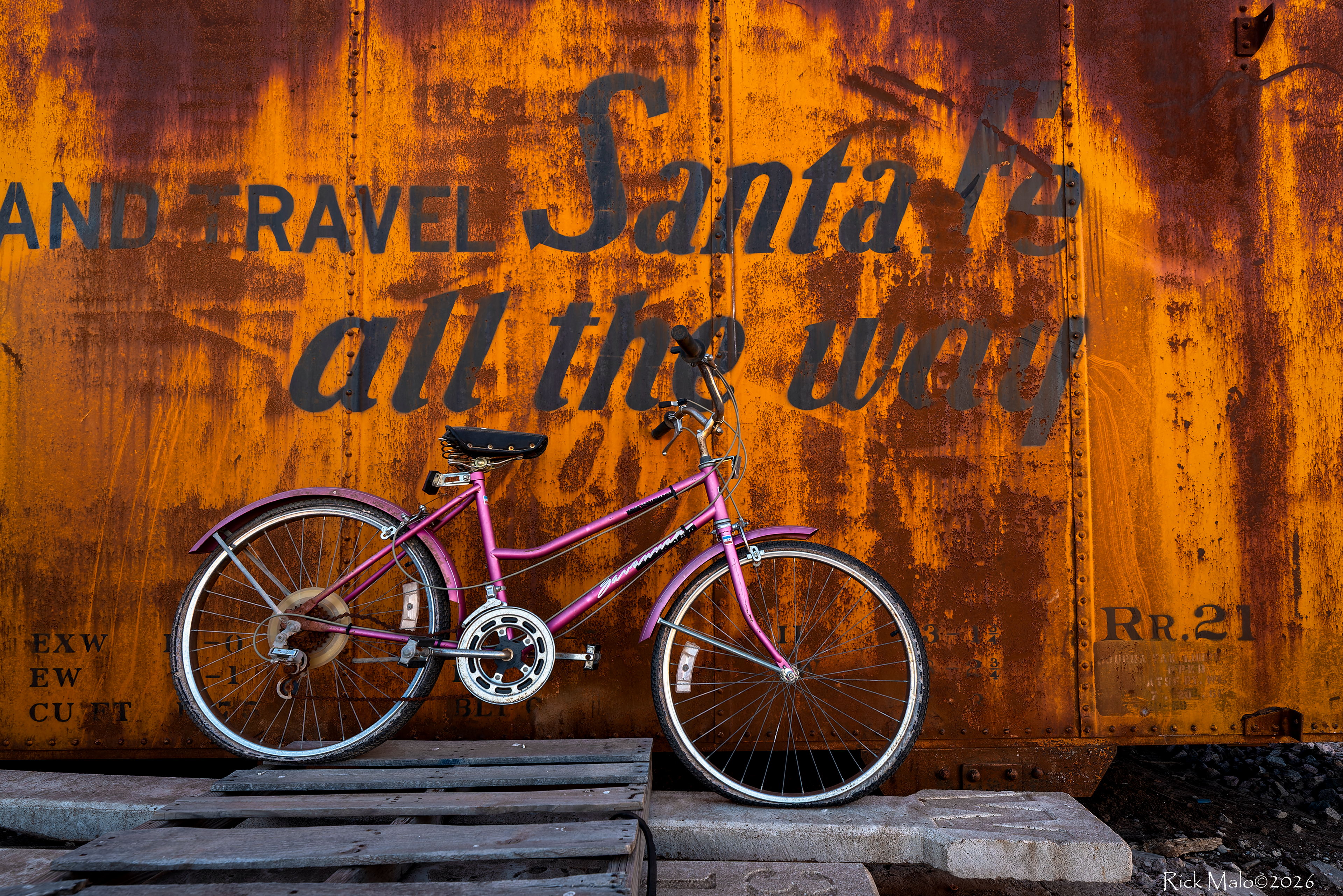
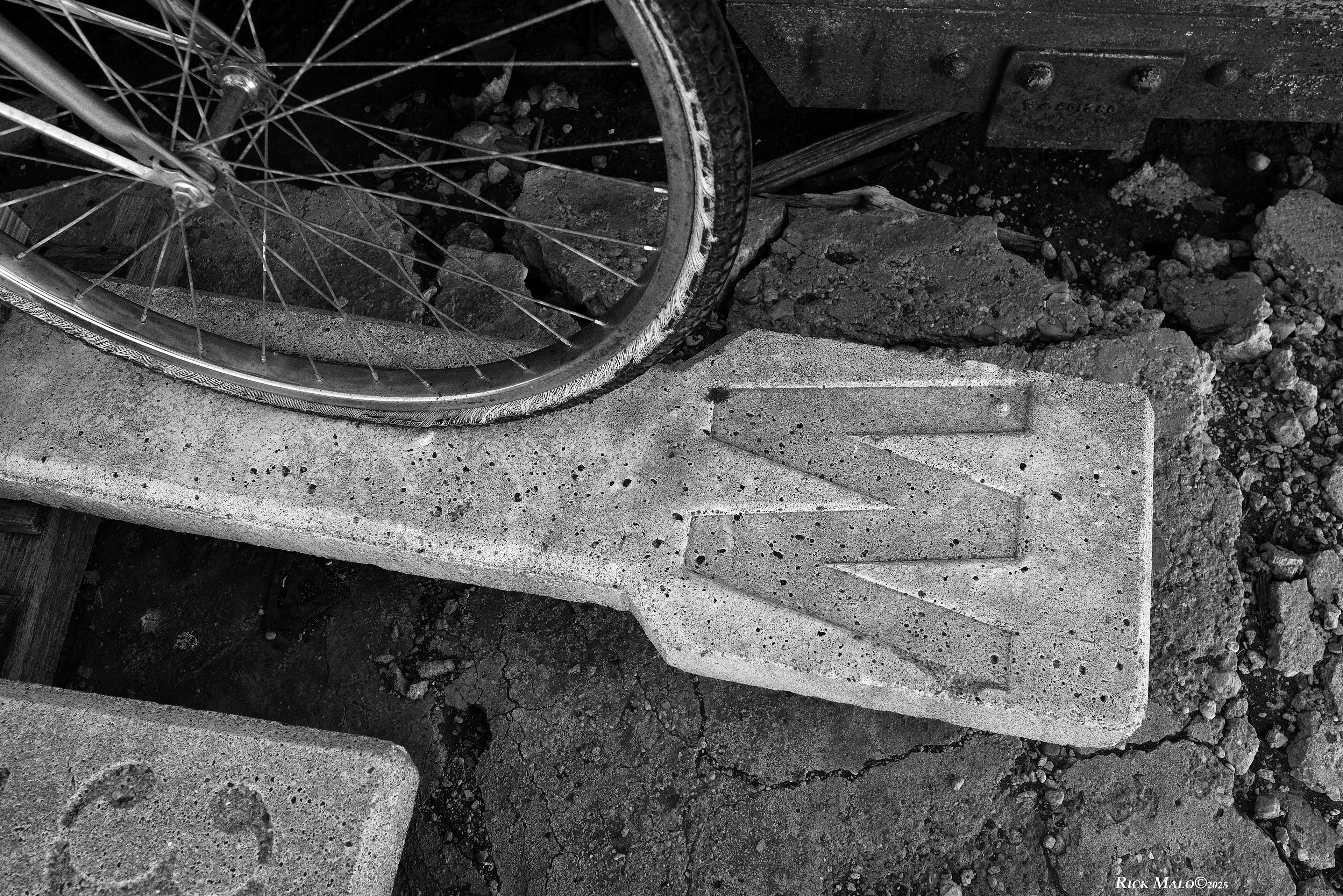
Here, near a junction of dusty county roads scratched out of the dirt of the Llano Estacado, a chain slipped its sprocket while pedaling towards home, and the farmer’s daughter coasted to a stop.
Like so many things in life, it was pushed to the side---
And forgotten.
Its usefulness a thing of the past; its pedals replaced by pistons.
Dry rot has claimed the tires.
Rust has pitted the chrome.
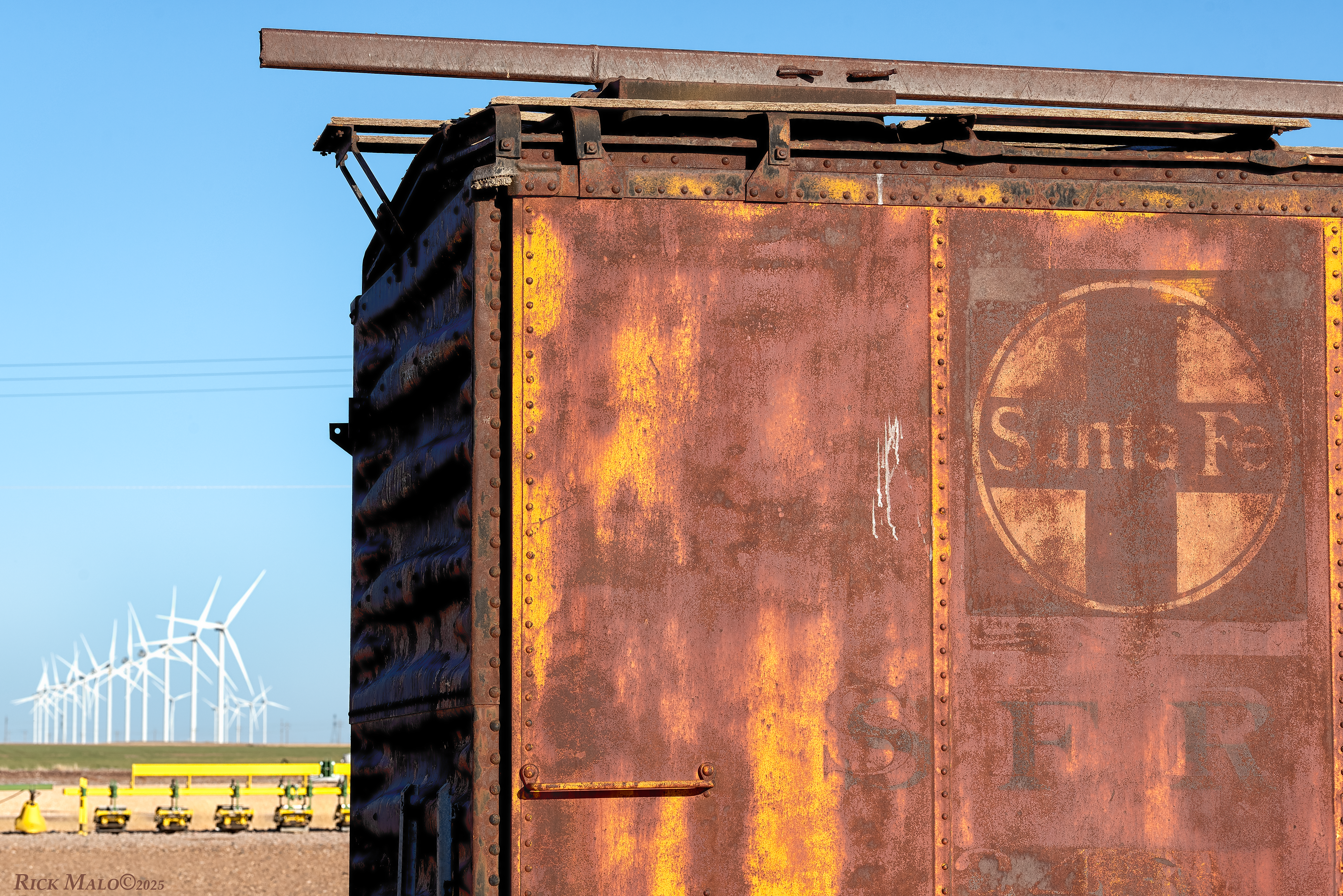
The sun and snows and dust of The High Plains has faded the paint.
It holds court among other outcasts---
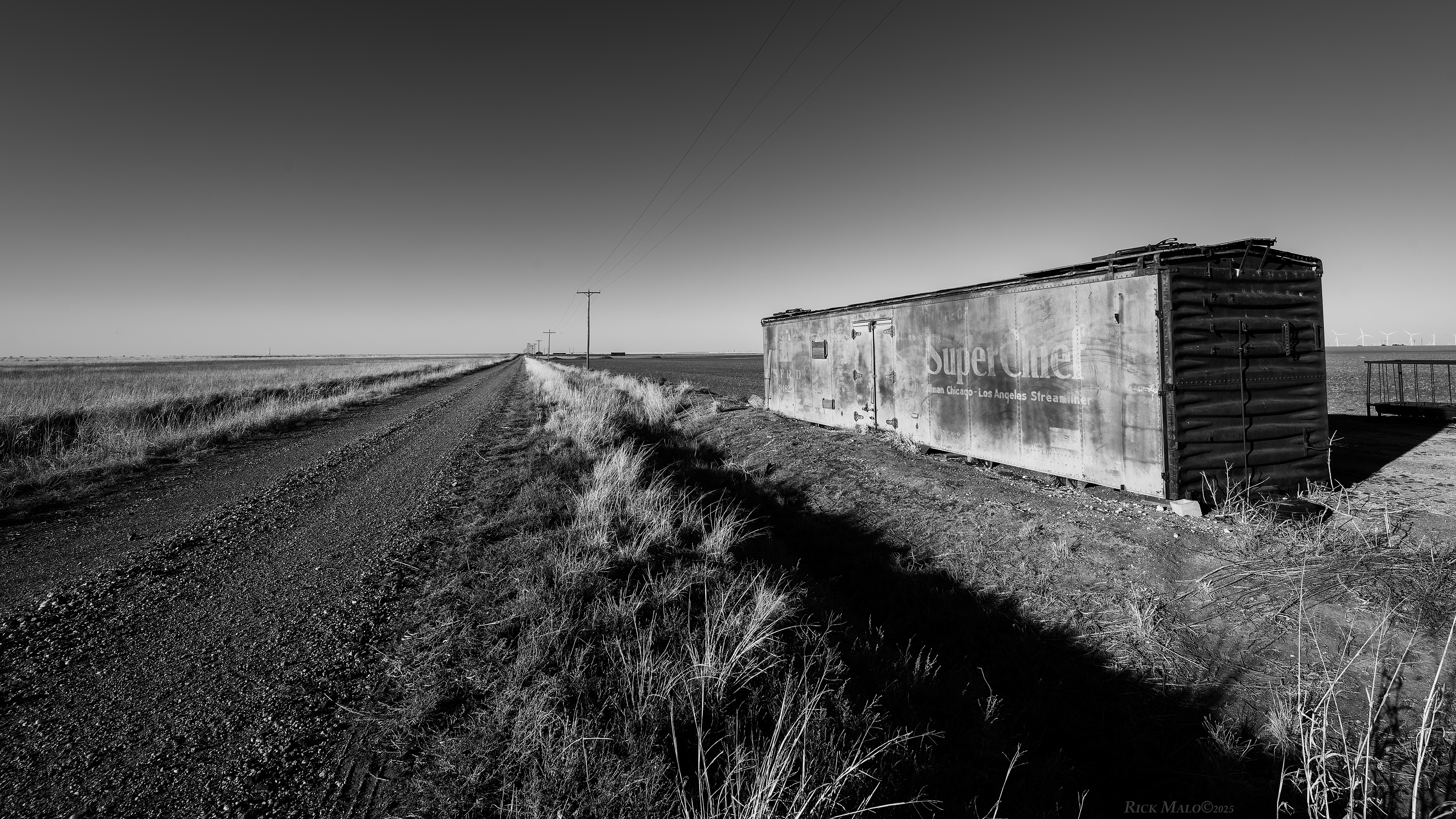
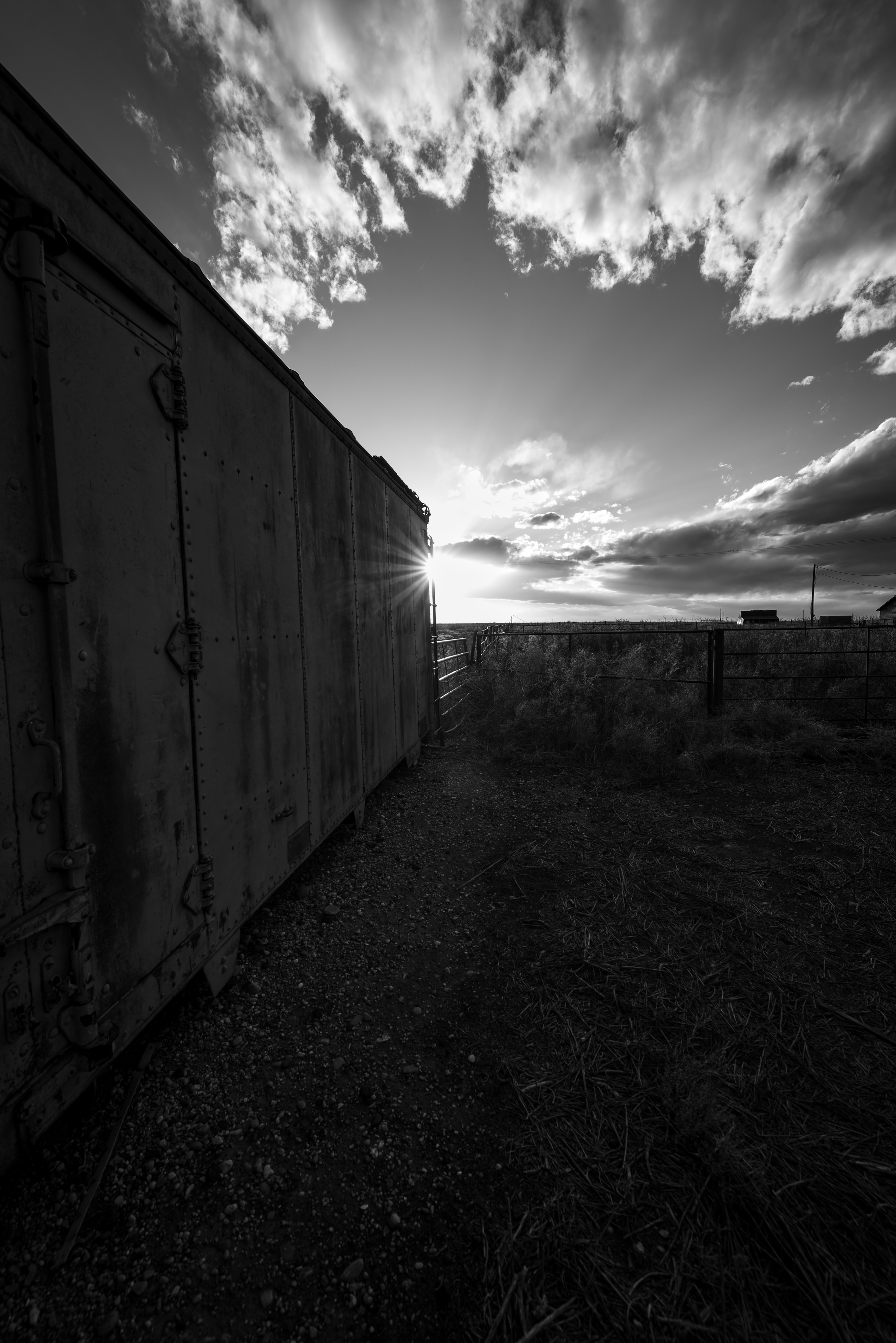
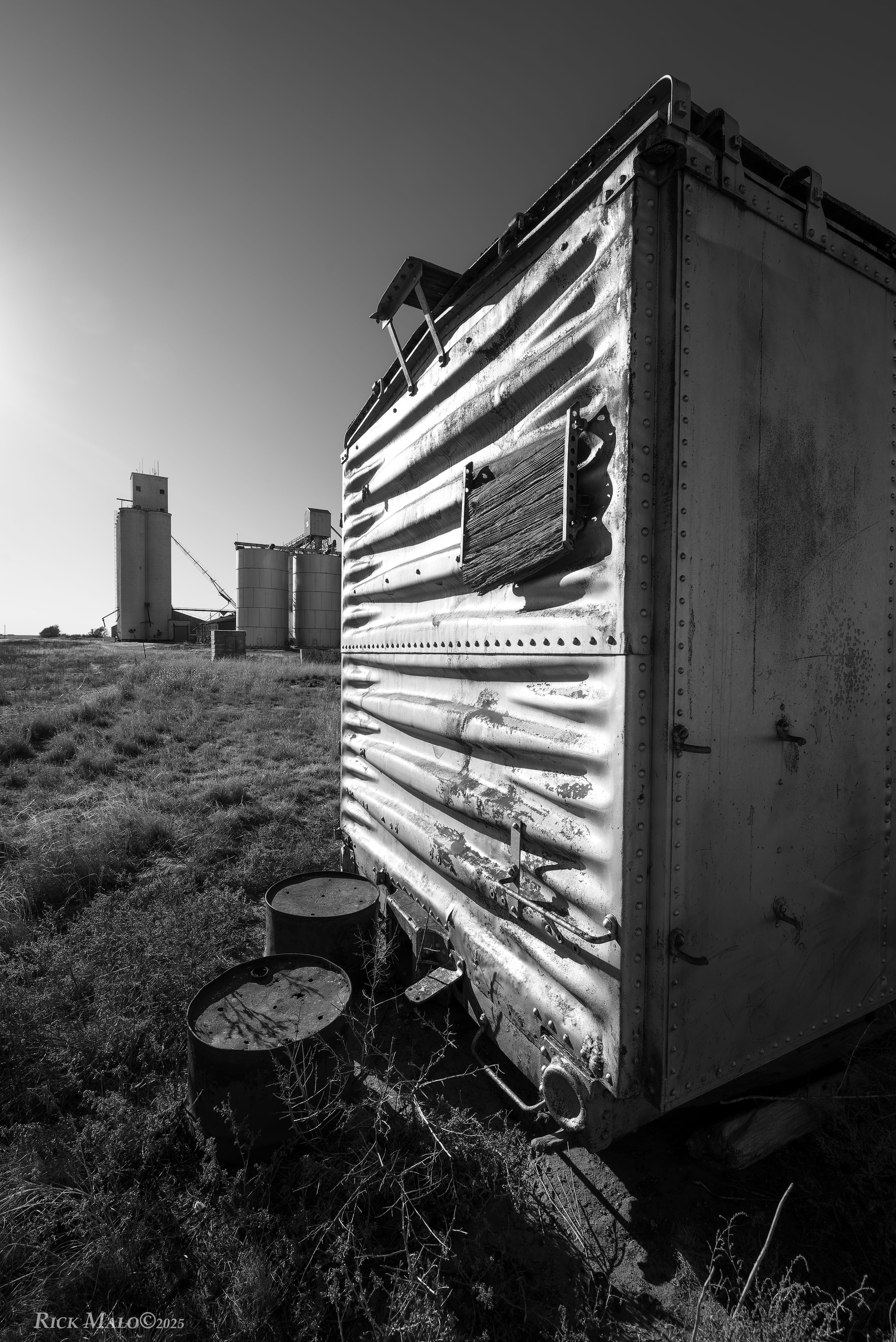
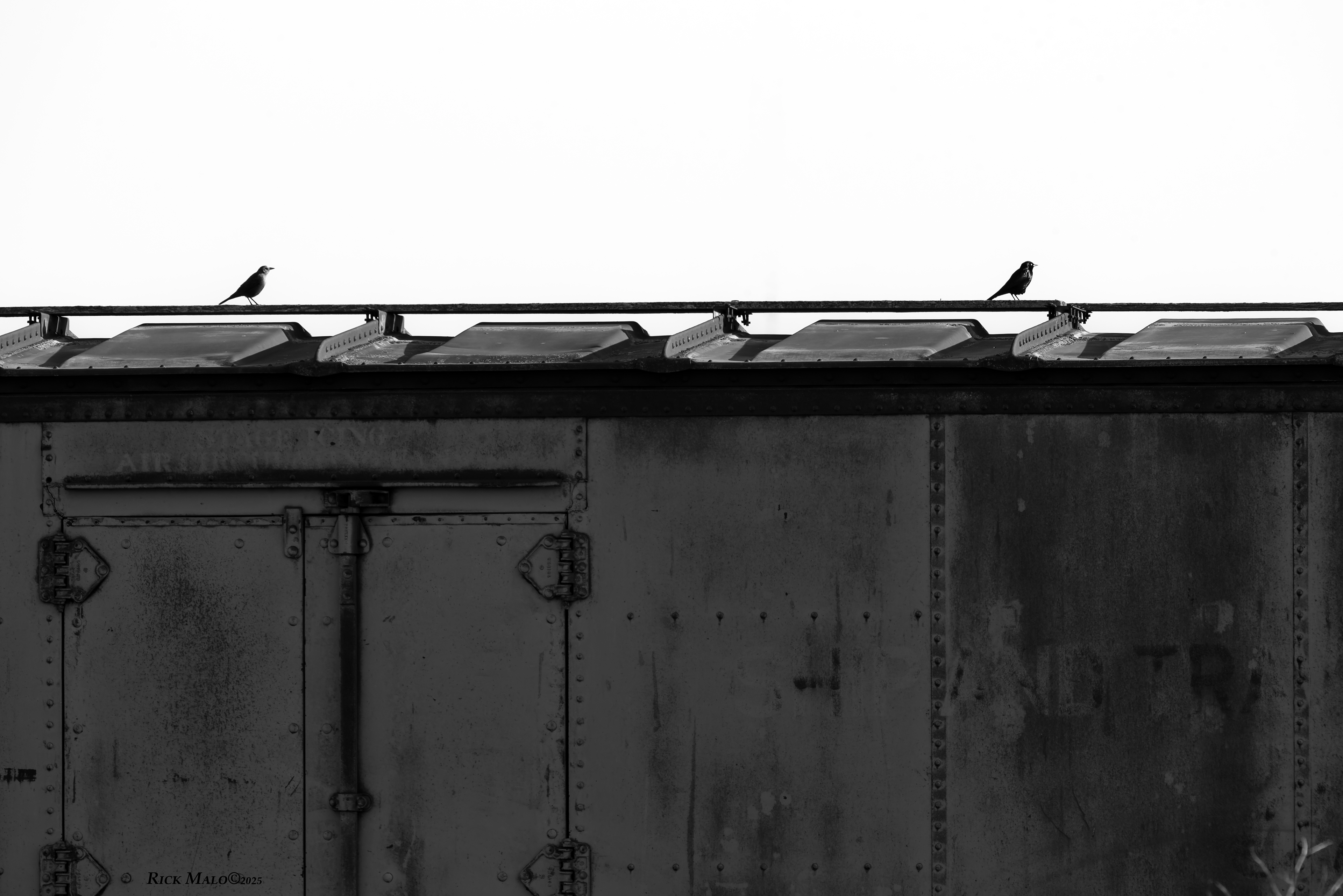
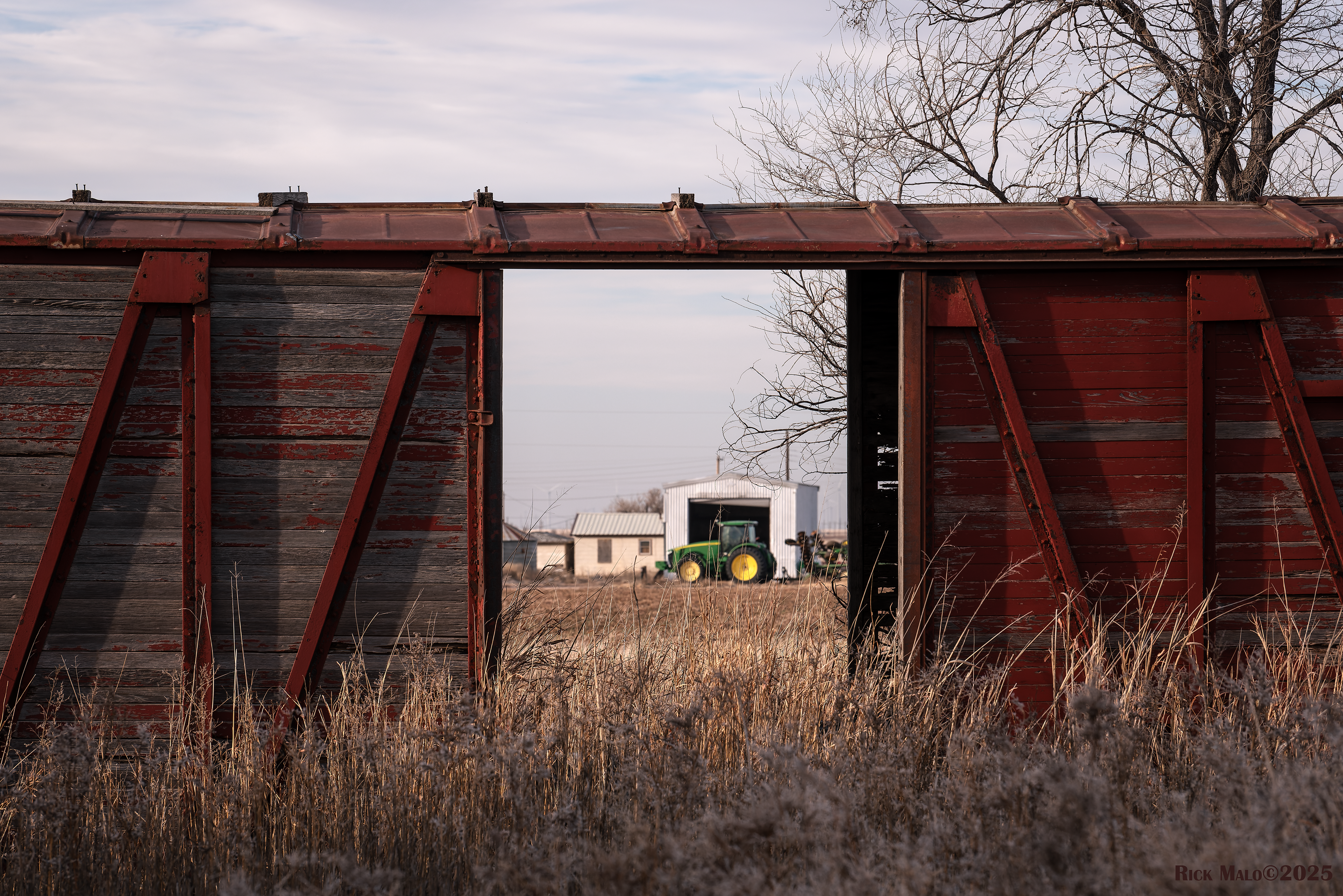
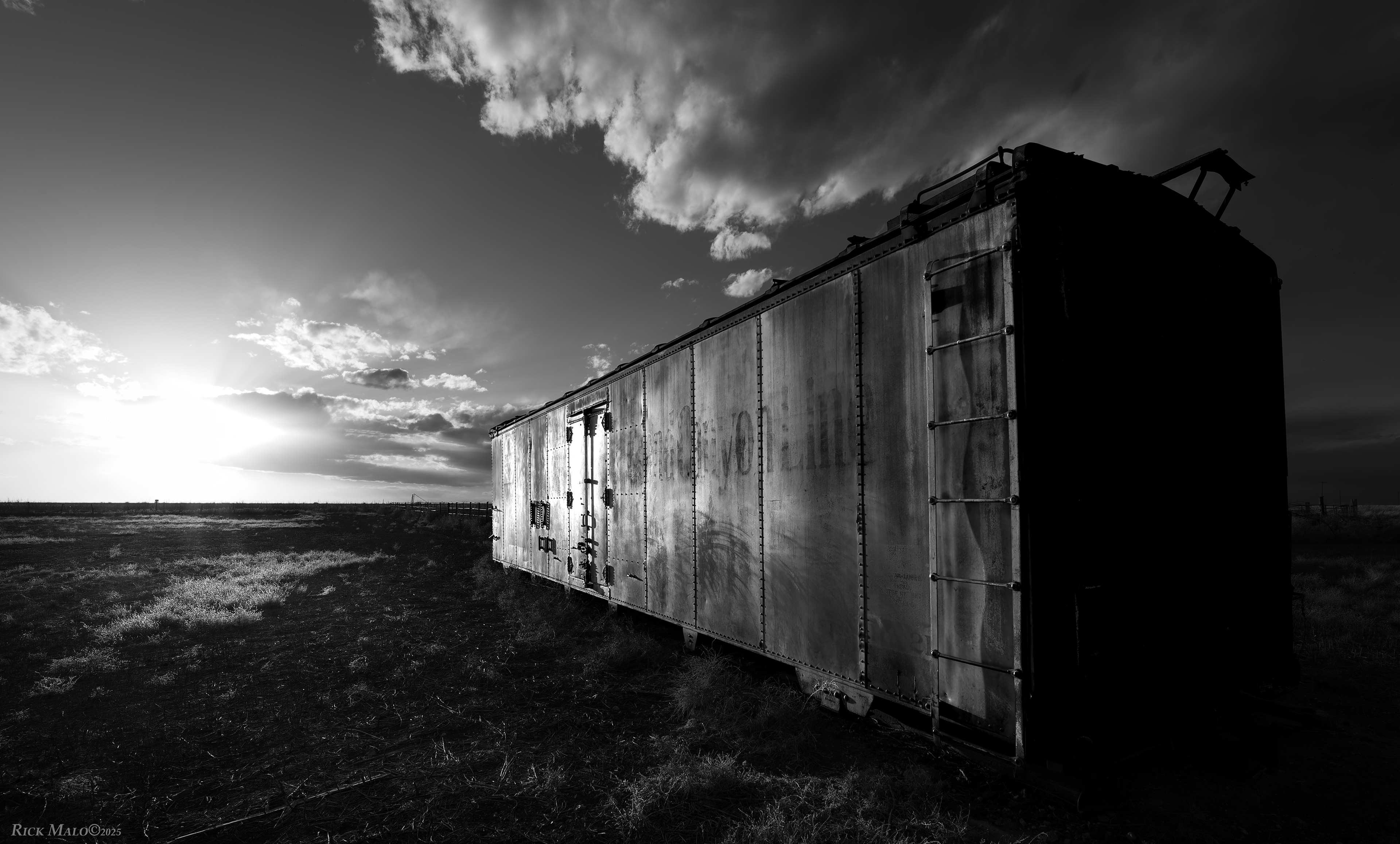
A reefer whose bolsters have long known the earth, yet once roamed coast-to-coast courtesy of friction-bearing Bettendorfs---
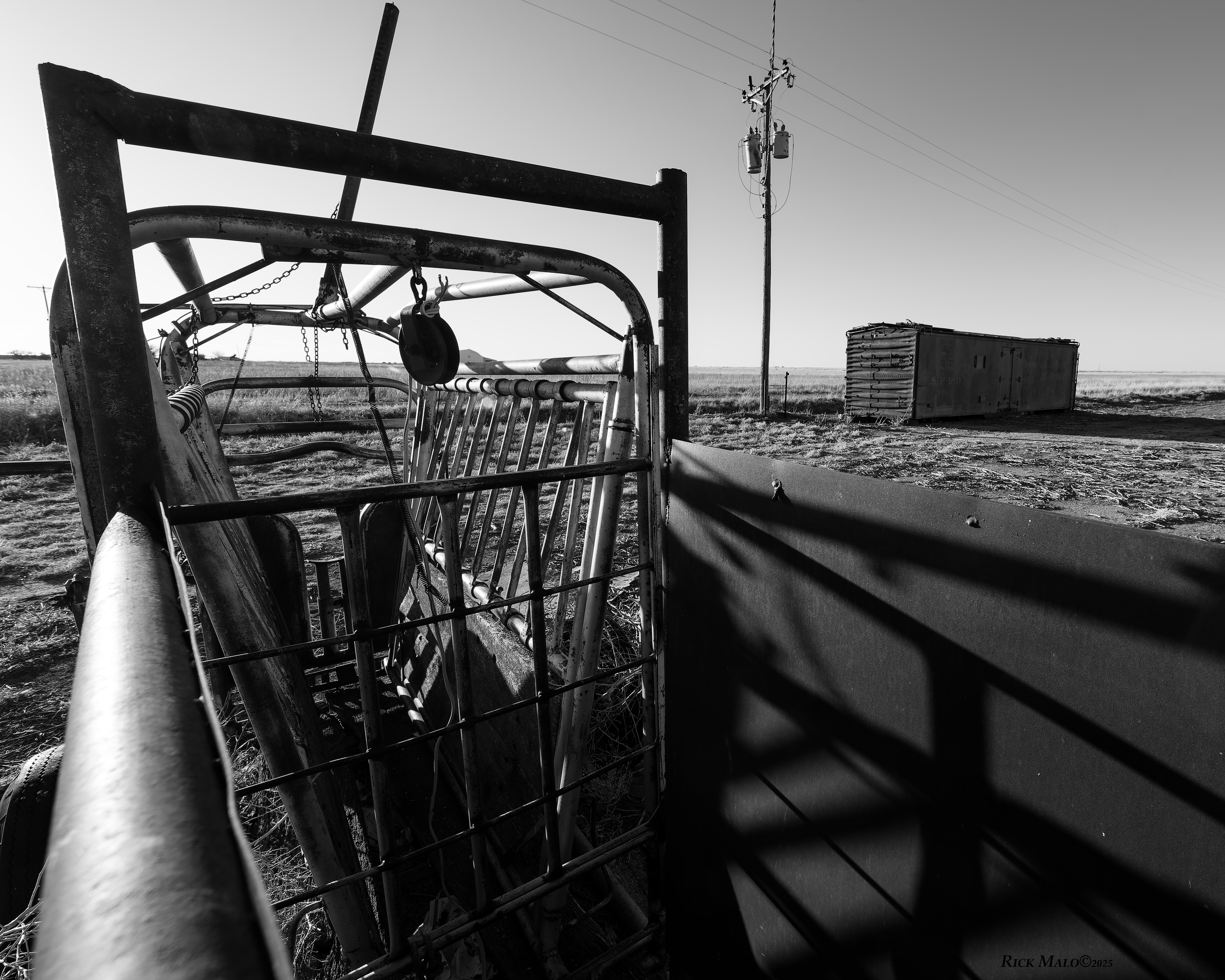
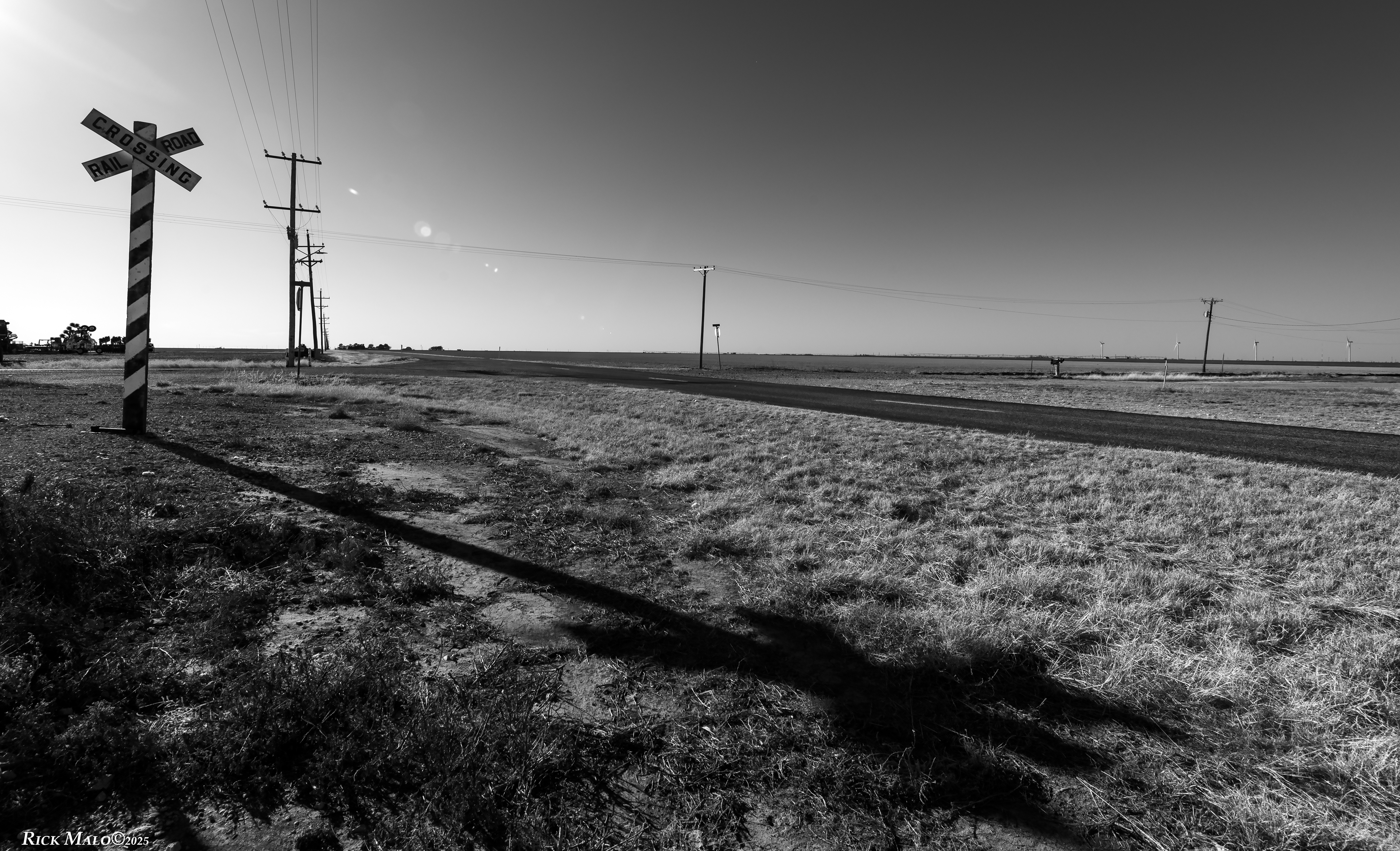
A concrete whistle board and milepost wrested from their place along a roadbed void of rails now for 40 years; headstones to an obscure carrier that scratched out an existence pulling grain and cotton out on the Texas Plains.
They stand for a snapshot on a winter’s day, a diverse lot of characters in quiet repose as if waiting for the words of Horton Foote to breathe them into life---
For ice bunkers to be filled and California lettuce to be loaded for points east---
For a light Baldwin Pacific to whistle the arrival of Train 16 at some dusty and unremarked road crossing in Floyd County, the passengers bound for Lubbock and Plainview---
And a young woman on a pink bicycle waving as the heavyweights rock past.
The possibilities are constrained only by one’s imagination.
But for now, they shall remain perhaps as van der Spelt or Caravaggio or Paul Cézanne might arrange them upon a canvas---
A portrait of colorful objects at rest---
Where the sky is implied but not seen---
And the decay of time is evident.
Perhaps the title of “Rest for the weary” might be fitting.
It is generic and could accommodate any geographic region.
But this is Texas in general, the Llano Estacado in particular.
The breadth and width of the great plateau is populated well with similar scenes, from Farwell in the west to the red sands of the South Plains near Big Spring---
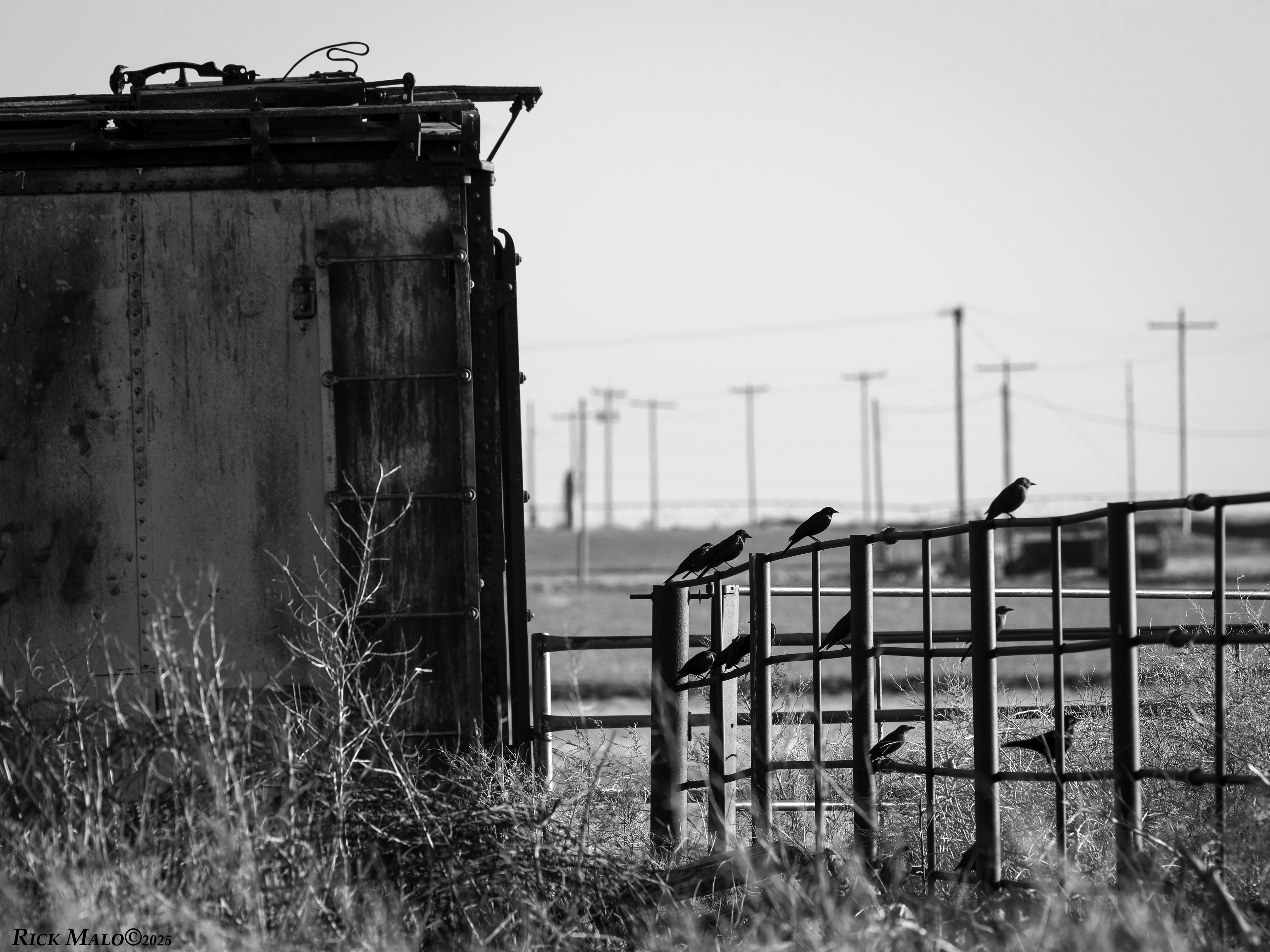
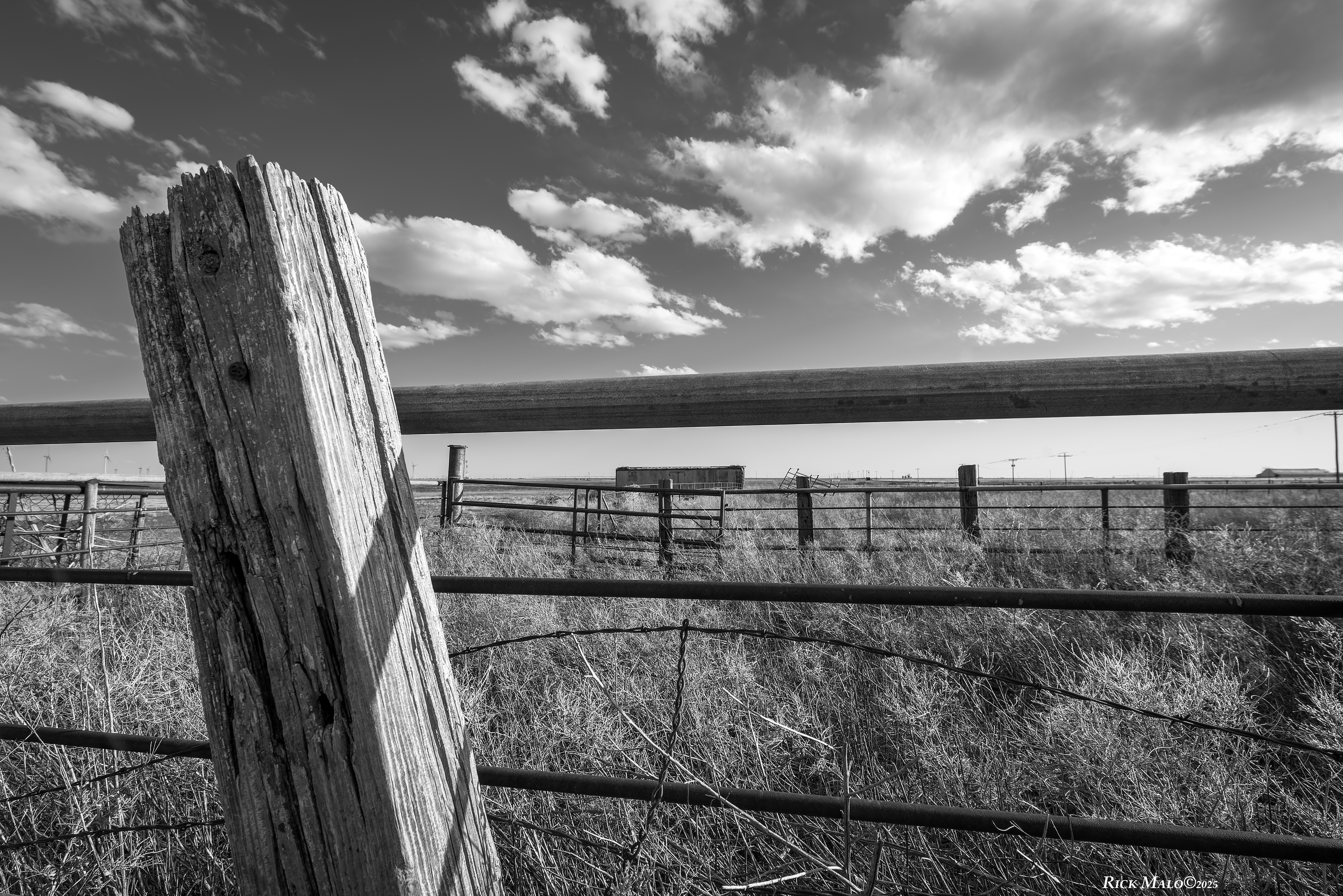
A veritable graveyard of 40-foot reefers and single-sheathed boxcars that lost their trucks and draft gear when they were winched aboard a lowboy trailer, carted away from the end-of-track, and laid down at the direction of various landowners who scratch out an existence upon The Plains.
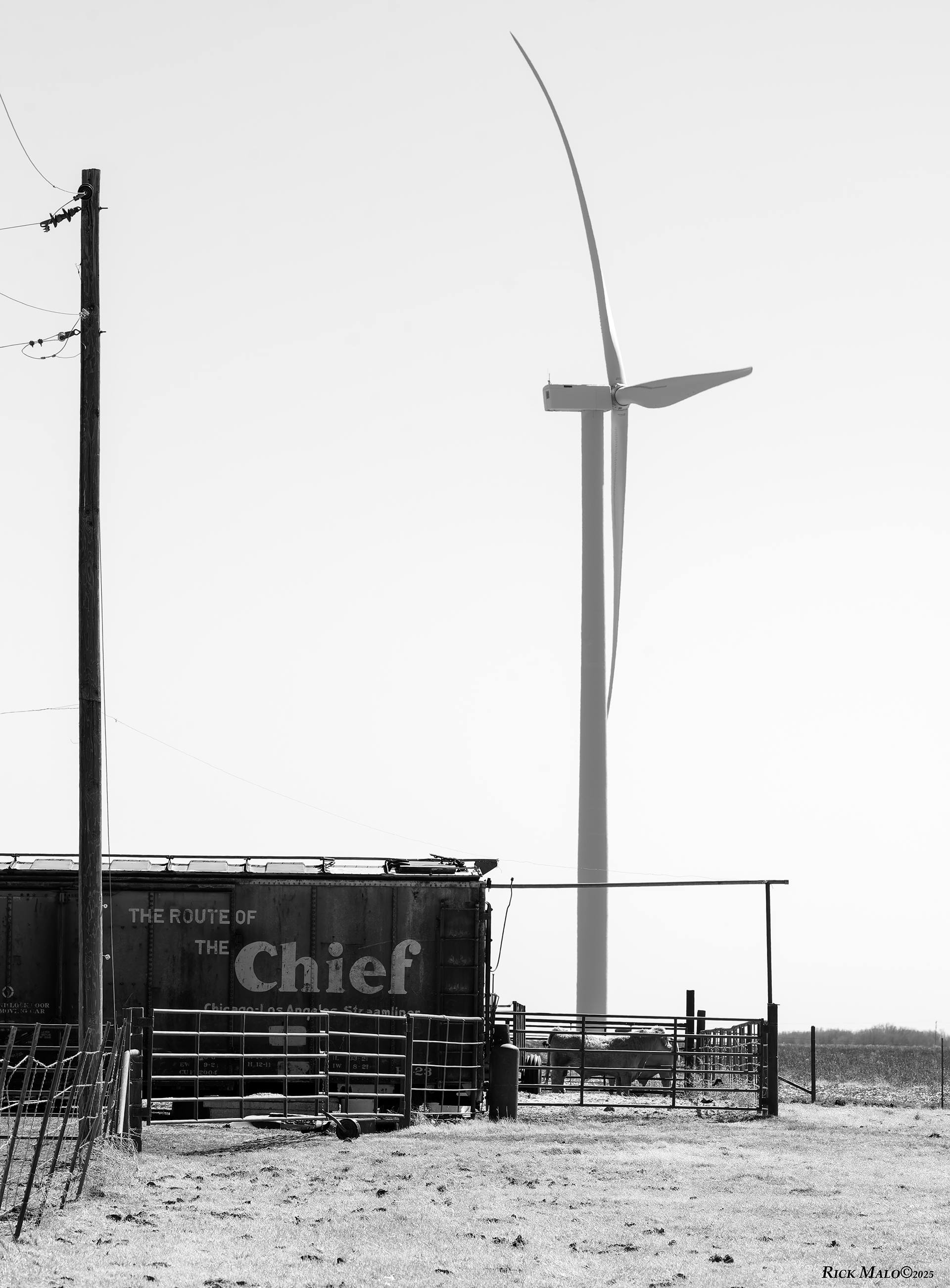
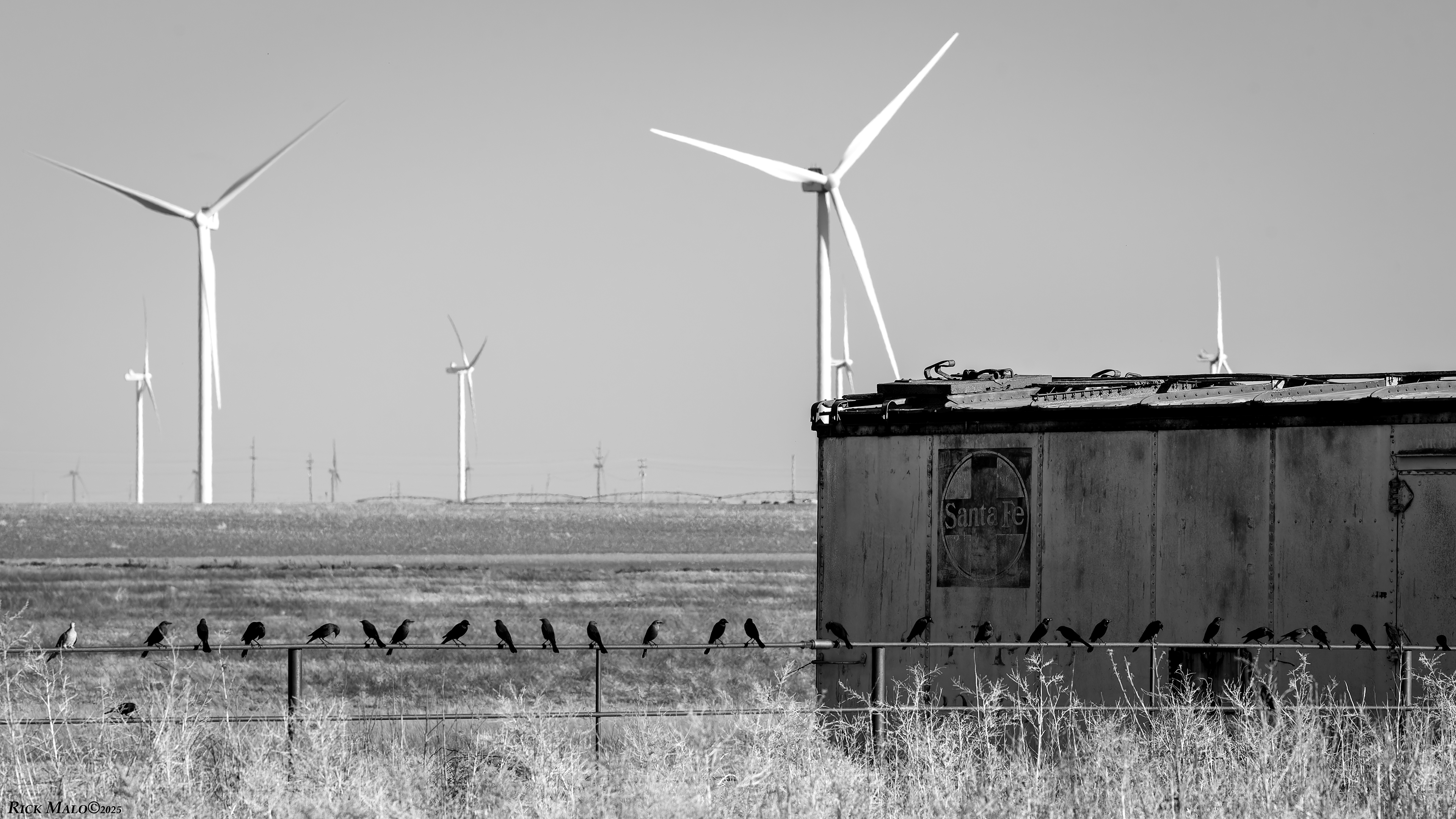
They are the nomads that rambled the Santa Fe Trail and the Burlington Route, their tales told in the layers of fading paint and various stages of decay, their forms now content to sell wares by the wayside to those who might stop and lend an ear.
Some gather without rhyme or reason in the vicinity of a little-known junction town out on the High Plains, where the rails of the Fort Worth & Denver South Plains once radiated to the four directions of the compass, and black and gray SD7s rocked gently along a roadbed that has been returned to the grasses that grow up on the Llano Estacado.
They are the ending credits to carriers long gone---
The music that plays after everyone has left their seat and crowded the aisle on the way out of the theater.
They are relics from a golden age that whisper their stories in the winds that moan about them.
Few come to listen.
They are The Ghosts of Sterley, Texas.
---RAM
Rick Malo©2026
Thank you!